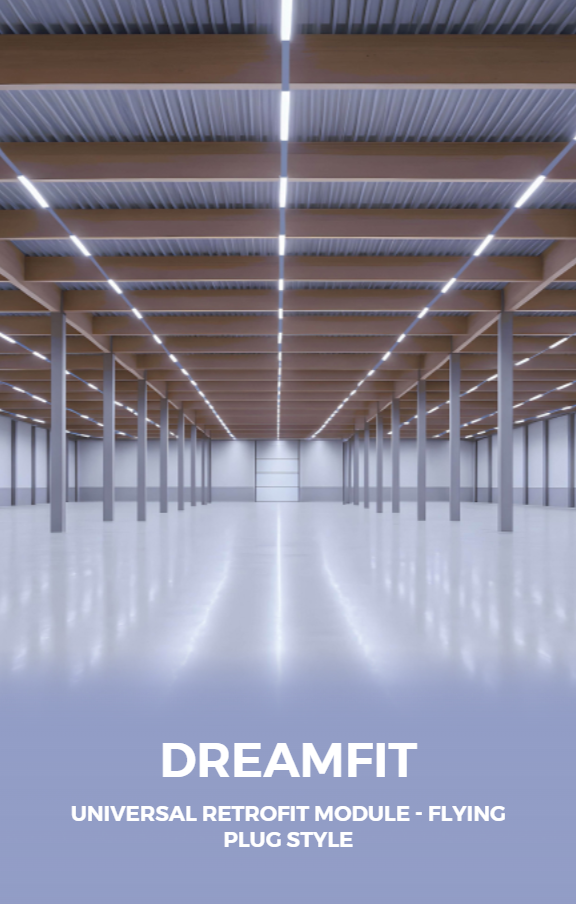
Problem: The same lighting headaches keep showing up
Warehouses and workshops get dark spots, busted lenses, and fixtures full of dust or water fast. People complain they can’t read labels, forklifts cast weird shadows, and lamps burn out right when you need them. That’s where a simple, rugged LED triproof can help — and where smart choices like led light trunking or a proper led lighting solutions for warehouse layout matter. The U.S. Department of Energy has pushed high-efficiency LED options for warehouses for years, so this isn’t guesswork — it’s what the industry points to when uptime and energy matter.
What breaks down on the floor
Look for these recurring faults before you buy:- Moisture and dust getting into fixtures because the wrong IP rating was used.- Glare and hot spots from poorly aimed or wrong-height lights.- Short driver life from cheap electronics and bad ventilation.- Difficult service access that turns a bulb swap into a ladder job.- Mismatched controls that leave lights on full blast even when the floor’s empty.
Why a triproof fits — and where it doesn’t
Triproof LEDs are built tough: sealed housings, impact-resistant covers, and long runs that keep aisles evenly lit. They suit low-to-medium ceilings and areas where gear gets bumped. They handle hose-down washdowns better than open fixtures. But don’t force them where highbays with focused optics are right — tall racking and high ceilings still need high-output, narrow-beam fixtures. Use triproofs for:- Aisles, prep areas, loading docks with medium heights.- Wet or dusty spots that need sealed gear.- Continuous linear runs when you want low glare and even spread.
Installation corners where crews slip up
Save time and headaches by avoiding these mistakes:- Spacing fixtures too far apart and expecting even light. Measure spacing based on mounting height, not guesswork.- Ignoring thermal clearance. LEDs die faster when trapped in tight channels without airflow.- Skipping surge protection in industrial settings.- Failing to plan for servicing: make sure drivers and diffusers are reachable.- Not coordinating controls with the rest of the site — dimmers, occupancy sensors, and emergency circuits must talk to each other.
Quick spec checklist before you sign a PO
Don’t buy blind. Tick these off:- Lumen output per foot or fixture that matches your lux target.- CCT and CRI suited to tasks (cooler temps for fast-moving areas, good CRI for inspection zones).- IP rating for dust/water; IK rating for impact where needed.- Dimmable drivers compatible with your control protocol (0-10V, DALI, etc.).- Surge protection and suitable operating temperature range.- Warranty length and whether it covers light output decline.
How triproof compares to other options
Simple contrasts that’ll help pick the right tool:- Triproof vs. highbay: triproof wins at medium heights and wet areas; highbay wins at tall racking and precision spot lighting.- Triproof vs. strip light: strip lights can be cheaper for short runs, but triproof is tougher and seals better.- Triproof with trunking: trunking systems simplify wiring, let you feed power along the run, and cut installation time when you plan continuous runs.
Maintenance, returns, and what to expect on the bills
Expect lower lamp-replacement labor and fewer emergency calls. Energy use drops noticeably when you install efficient drivers and pair with basic occupancy controls. Track actual hours and keep simple logs — that tells you when to replace drivers rather than waiting for failures. Regular checks of seals and connectors keep dust and moisture from ruining the fixture guts.
Wrap-up: pick the right fit and stop dealing with the same problems
Be practical: map the floor, pick fixtures for the height and abuse they’ll see, plan for service access, and match controls. A right-specified triproof solves damp, dusty, and mid-height trouble spots better than many alternatives. If you want hardware that does the job without fuss, the real solution lives in solid specs, good wiring choices, and brands that back up performance — like trieco.