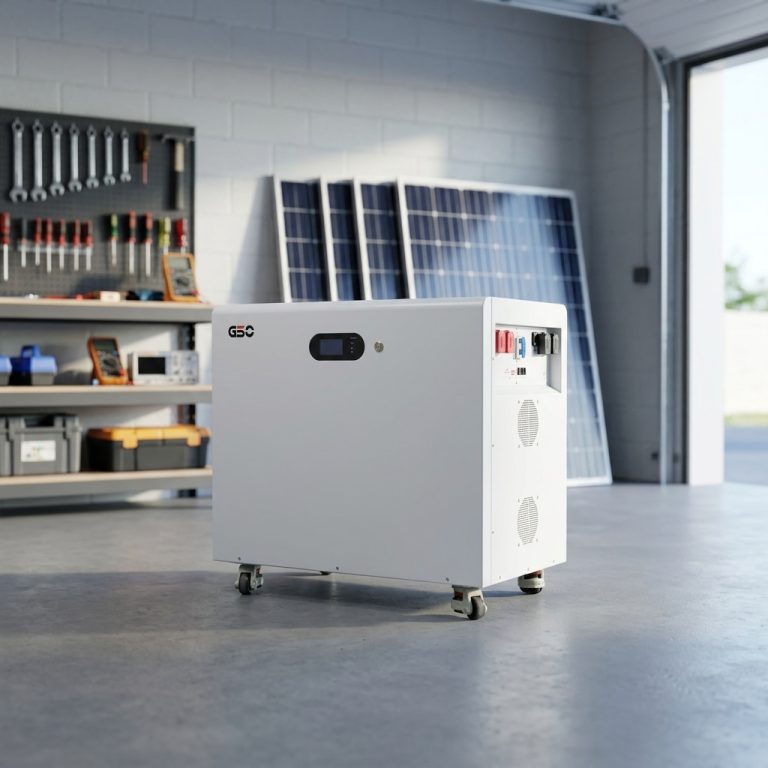
Overview and why topology matters
When you compare systems, the engineering choices behind high-voltage string topologies show up as practical trade-offs for homeowners: efficiency, scalability, and safety. This comparative insight focuses on real operational outcomes rather than theory. If you’re mapping a home resiliency plan around a battery backup for home, understanding how design choices like series string voltage and intelligent balancing affect inverter loading and battery capacity (kWh) is essential.
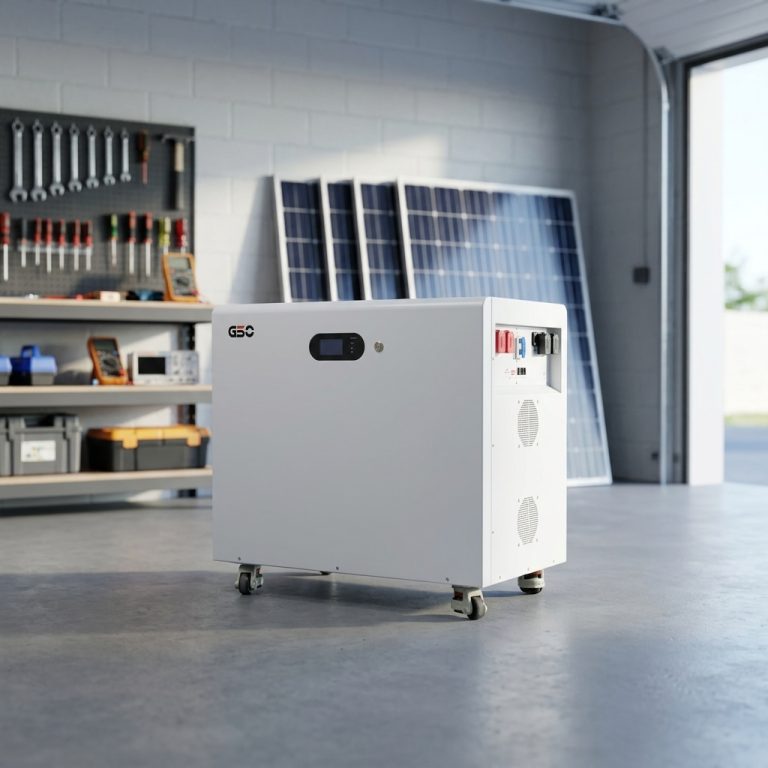
Head-to-head: modular portable systems vs integrated powerwalls
Modular designs break capacity and power into repeatable units. Integrated powerwalls combine everything into a single enclosure. Each approach has clear pros and cons when you look at uptime, serviceability, and expansion.
Key comparisons:
- Scalability: Modular wins for staged growth; add another module without redoing the whole system. This matters if you plan to increase loads incrementally.
- Efficiency at scale: High-voltage string topologies reduce current for the same power, lowering conductor losses and improving inverter efficiency.
- Serviceability: With modular units you can isolate a faulty module and keep the rest online; integrated systems often require full-unit servicing.
How intelligent string control changes outcomes
An intelligent string topology introduces active cell balancing and a system-level BMS that coordinates modules. That coordination reduces degradation across cells and evens out cycle life. For households that run critical loads during extended outages, that translates into predictable cycle-counts and lower effective cost per kWh delivered.
Common mistakes homeowners make
People often pick systems by headline capacity without checking peak inverter output, round-trip efficiency, or how the BMS will manage cell balancing under partial shading or uneven thermal conditions. Another frequent misstep is underestimating surge requirements for motors and HVAC — peak inverter rating matters as much as sustained kW. Avoid buying solely on price; prioritize the match between inverter sizing, battery chemistry, and expected load profile.
Real-world anchor: lessons from large outages
The February 2021 Texas grid emergency left millions without power and clarified a simple truth: resilience requires both capacity and intelligent control. Systems that relied on a single monolithic source struggled with ramping demands. Houses with modular, high-voltage-aware setups handled staged restoration and load prioritization more cleanly. That event reframed how installers and product teams think about redundancy and energy density in residential deployments.
Alternatives and what to evaluate
When comparing candidates, treat each spec as an operational parameter. Look beyond kWh to inverter peak power, continuous power, and charge/discharge curves. Consider these alternatives:
- High-voltage modular units with intelligent string balancing — best where gradual expansion and lower conductor losses matter.
- Integrated powerwalls with centralized BMS — best for neat installs and limited space.
- Hybrid systems that pair a fixed battery bank with portable modular packs — useful when occasional portability is needed.
Also check certification and warranty terms; a robust warranty often signals a manufacturer confident in their thermal management and BMS architecture. For a hands-on reference to product options, review listings for the best backup battery for home that balance modularity and integrated control.

Summarized practical advice
Choose systems that align inverter capability with your peak demands, prefer designs that let you expand capacity without rewiring the entire house, and demand a BMS that manages cell balancing at the module level. Pay attention to round-trip efficiency and rated cycle life instead of just nominal kWh; those figures determine long-term cost-per-cycle and reliability.
Three golden rules for selecting a home resiliency system
1) Match continuous and peak power: size the inverter and battery for both steady-state loads and short-duration surges. 2) Prioritize intelligent balancing: a BMS that controls string topology extends usable life and protects warranty coverage. 3) Plan for modular growth: pick architectures that let you add capacity with minimal downtime.
For real-world deployments where phased expansion and reliable control matter most, consider how manufacturers translate those rules into component-level choices — that practical value is exactly what gsopower emphasizes in their modular offerings. The result: systems that grow with needs and behave predictably over time. A clear direction. Simple to act on.