First problem: the quiet chaos when systems collide
The common scene: sun hits the panels, batteries sit half full, a diesel generator coughs in the yard, and the inverter flashes a warning. That collision is the problem this guide confronts. A thoughtfully configured hybrid solar system eases the clash, but only when you plan for timing, voltage, and control logic up front. Many installations fail because designers treat each component as separate rather than parts of one electrical conversation.
Define the problem clearly before choosing hardware
Begin by writing down three things: the loads you must run during outage, the available solar array area, and how long you want to run without grid power. These answers steer every spec that follows. Practical checks: – List critical loads and their startup (inrush) currents. – Measure available roof or ground area and estimate array kW at STC. – Decide reserve hours and battery depth of discharge targets. Without that clarity, you’ll oversize the generator or undersize the battery and face repeated cycling and disappointment.
Where mismatches happen: electrical and control incompatibilities
Mismatches show up as flicker, failed generator starts, or batteries that never charge fully. Common technical reasons: – Voltage range mismatch: inverter must accept PV Voc and battery float voltage. – Charging algorithm conflict: generator and inverter chargers may fight without a master controller. – Anti‑islanding and transfer timing: improper transfer settings can interrupt sensitive loads. Address these by specifying inverter input ranges, a programmable charge controller, and a transfer method that sequences generator start, stabilization, and seamless load transfer.
Choosing the right inverter and topology
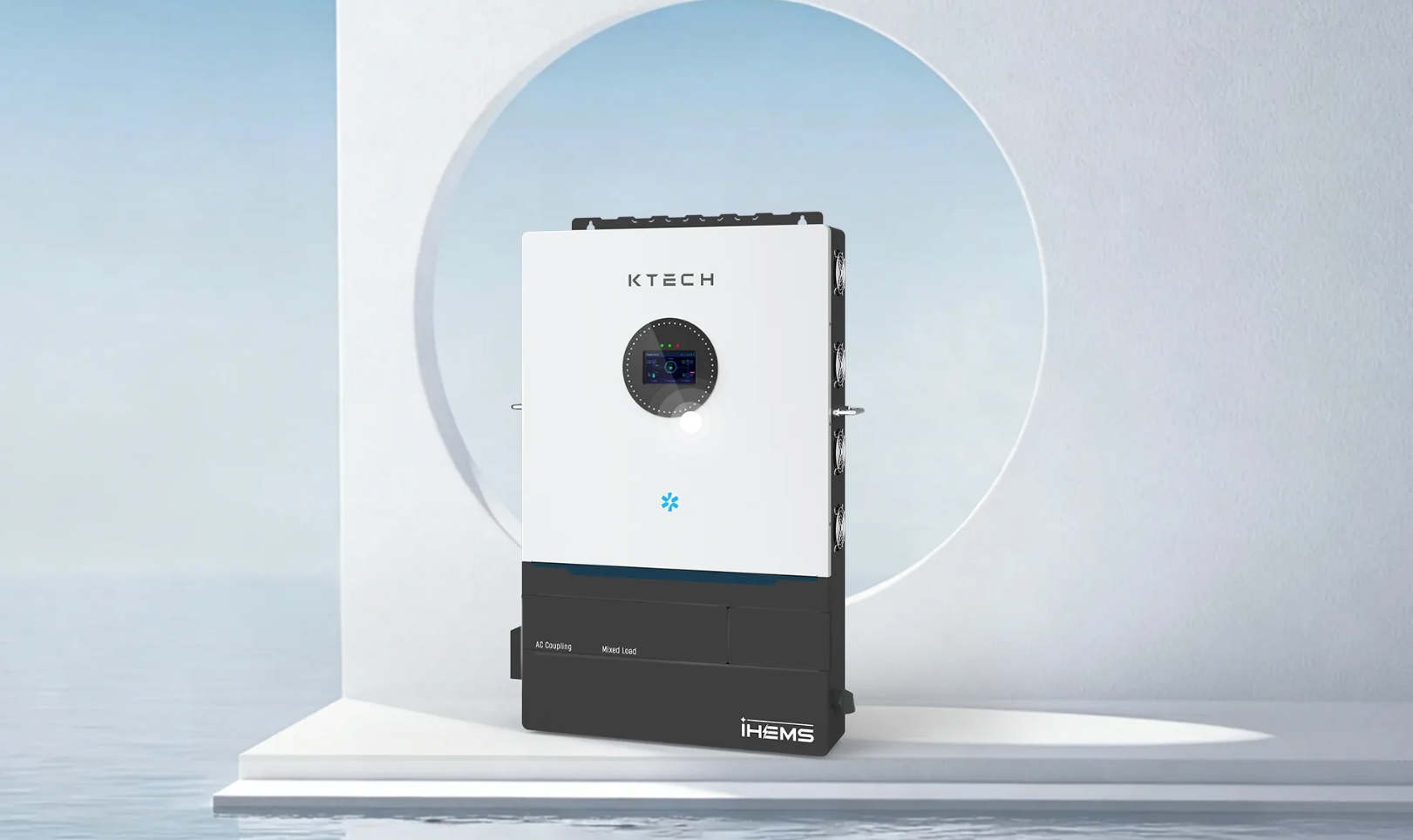
Pick an inverter type that matches your priorities: AC‑coupled systems simplify adding batteries to existing arrays; DC‑coupled systems offer higher round‑trip efficiency for some layouts. Research hybrid models with programmable multi‑source logic and a clear generator interface. For product discovery, review options labeled as hybrid inverter solar system to compare specs like peak surge capacity, allowed battery chemistries, and integrated transfer switches. Favor units with transparent telemetry and documented control APIs.
Generator integration: sequencing and fuel economy
A generator must do more than run; it must be coordinated. Set a clear sequence: battery low → generator start → stabilizing time → controlled battery charge → load transfer if needed. Program the inverter or a controller to prevent the generator and inverter chargers from “fighting” by using generator-allowed setpoints or an external relayed interlock. Pay attention to generator sizing: allow for the largest motor start, then size for continuous economy rather than short bursts.
Sizing rules of thumb that actually work
Use simple, practical calculations: – Daily energy need (Wh) = sum of device watts × hours. – Battery capacity (Ah) = Wh ÷ battery voltage ÷ usable depth of discharge. – PV array (kW) ≈ daily Wh ÷ average sun hours ÷ system efficiency (0.7–0.85). – Inverter continuous rating should exceed your largest expected sustained load by 20%. These rules avoid under‑sizing and make procurement straightforward.
Control logic and software: the brains you must standardize
Control is where systems stop arguing and start cooperating. Demand a controller or inverter with: – Clear priority settings (solar → battery → grid → generator). – SOC‑based charging algorithms. – Remote telemetry for logs and firmware updates. Log events during commissioning: transfer times, generator starts, and battery charge curves. Those logs are the quickest route to trustworthy troubleshooting.
Common pitfalls installers repeat
Experienced teams still trip over a few repeated mistakes: – Overlooking temperature compensation for battery charging. – Relying only on nominal voltages and ignoring Voc cold‑temperature effects. – Forgetting synchronous start delays for heavy motors. – Mixing battery chemistries or ages. Checklists save you here; run a mock outage test before final signoff to catch sequencing and safety issues.
Safety, code, and verification
Follow clear standards: use listed transfer equipment, apply local utility interconnection rules, and comply with the National Electrical Code where applicable. Verify protective coordination for fuses and breakers between inverter, generator, and mains. Label circuits and document isolation procedures. A single, well‑documented test report increases trust and reduces callbacks.
A brief real-world anchor
Events like California’s rolling blackouts have pushed many communities to add storage and hybrid control logic, showing how system coordination directly protects households and businesses when the grid is unreliable.
Testing and maintenance: ensure the plan survives time
Schedule seasonal checks: battery capacity tests, generator load bank runs, firmware updates, and PV array cleaning. Document expected degradation and update the reserve hours target annually. Small, scheduled maintenance prevents the most common failures and keeps the system predictable.
Final synthesis: solving the problem with intentional integration
If you view the system as a single machine—panels, batteries, inverter, and generator—problems resolve into design choices: priorities, timing, and control. That viewpoint leads to fewer false starts and clearer results. This planning logic is exactly the kind of coordinated approach that Ktech has engineered into their system guidelines, aiming to make multiple power sources behave like one dependable supply rather than a collection of competing devices.