A user-centric pitch for operational calm
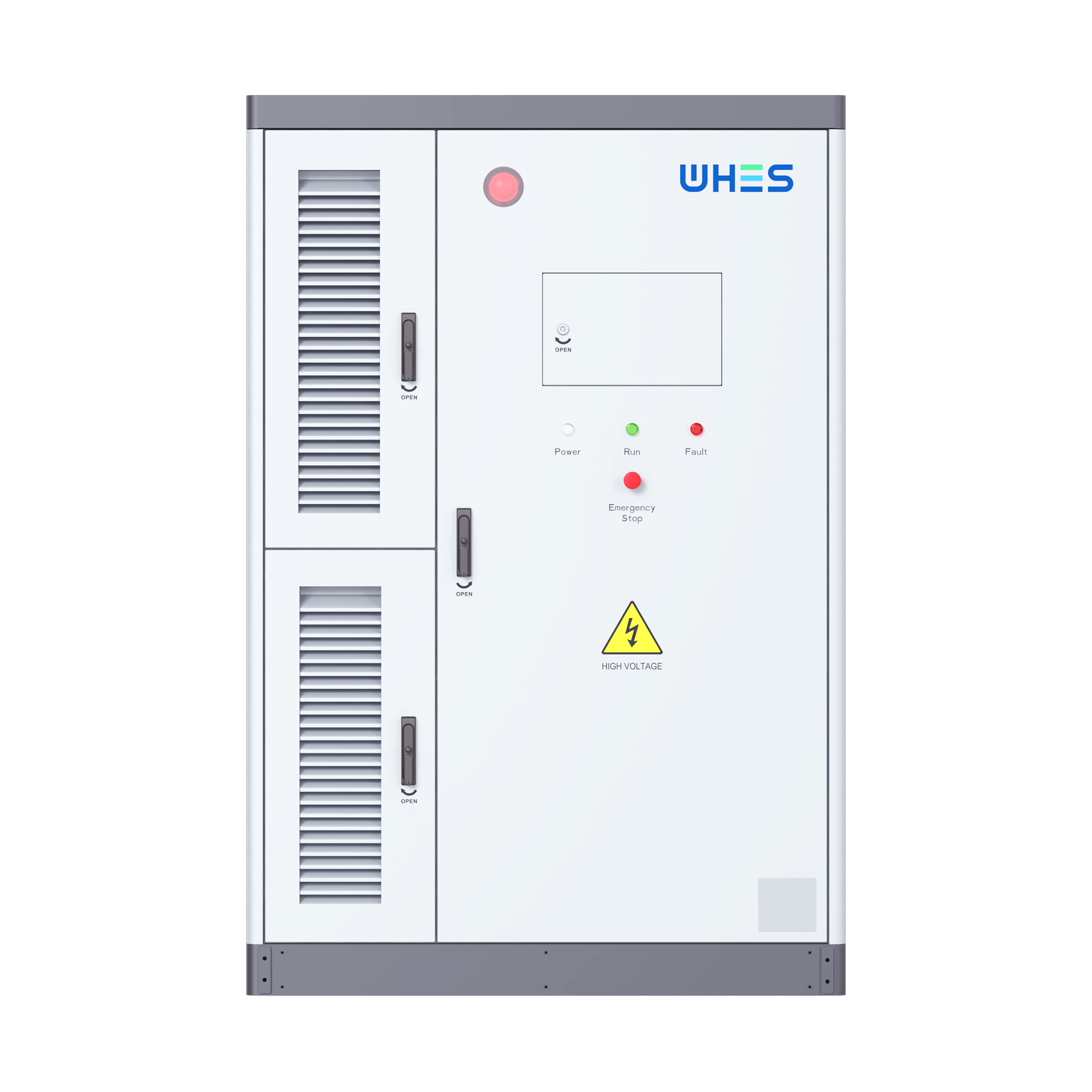
Facility managers want fewer surprises and more control — that’s the bottom line. When energy markets swing or a regional grid warns of high prices, the quickest way to steady operations is timely intelligence paired with hardware that responds. An all in one energy storage system that ties actionable market and grid news into local controls turns reactive firefighting into predictable scheduling, and managers notice the difference fast. In short: relevant alerts + on-site capacity = less overtime, fewer emergency purchases, and happier teams.
What facility managers actually care about
Think in outcomes, not features. The priorities are predictable production runs, minimized unplanned downtime, and transparent cost visibility. That maps to three operational needs: early signals (to prep or shed load), automated response (to protect throughput), and simple reporting (to justify decisions to finance and plant leadership). Industry terms matter here — expect conversations about peak demand, load shifting, and behind-the-meter controls — but the ask is straightforward: keep my line running and keep costs steady.
Why timely energy news changes the game
Historically, plants learned about grid stress only after prices spiked or an outage hit. Today, intelligent feeds deliver high-fidelity signals — weather-driven demand forecasts, transmission alerts, and market price spreads — that let managers plan decisions hours or days ahead. Consider the disruptions around the 2021 Texas power crisis and the 2022 European market shocks after the Ukraine invasion; teams who had advanced visibility and local flexibility avoided the worst of the operational impacts. Linking that intelligence to automated responses — say, a charge/discharge plan for storage during a price window — turns knowledge into savings.
How integrated storage and solar strengthen that connection
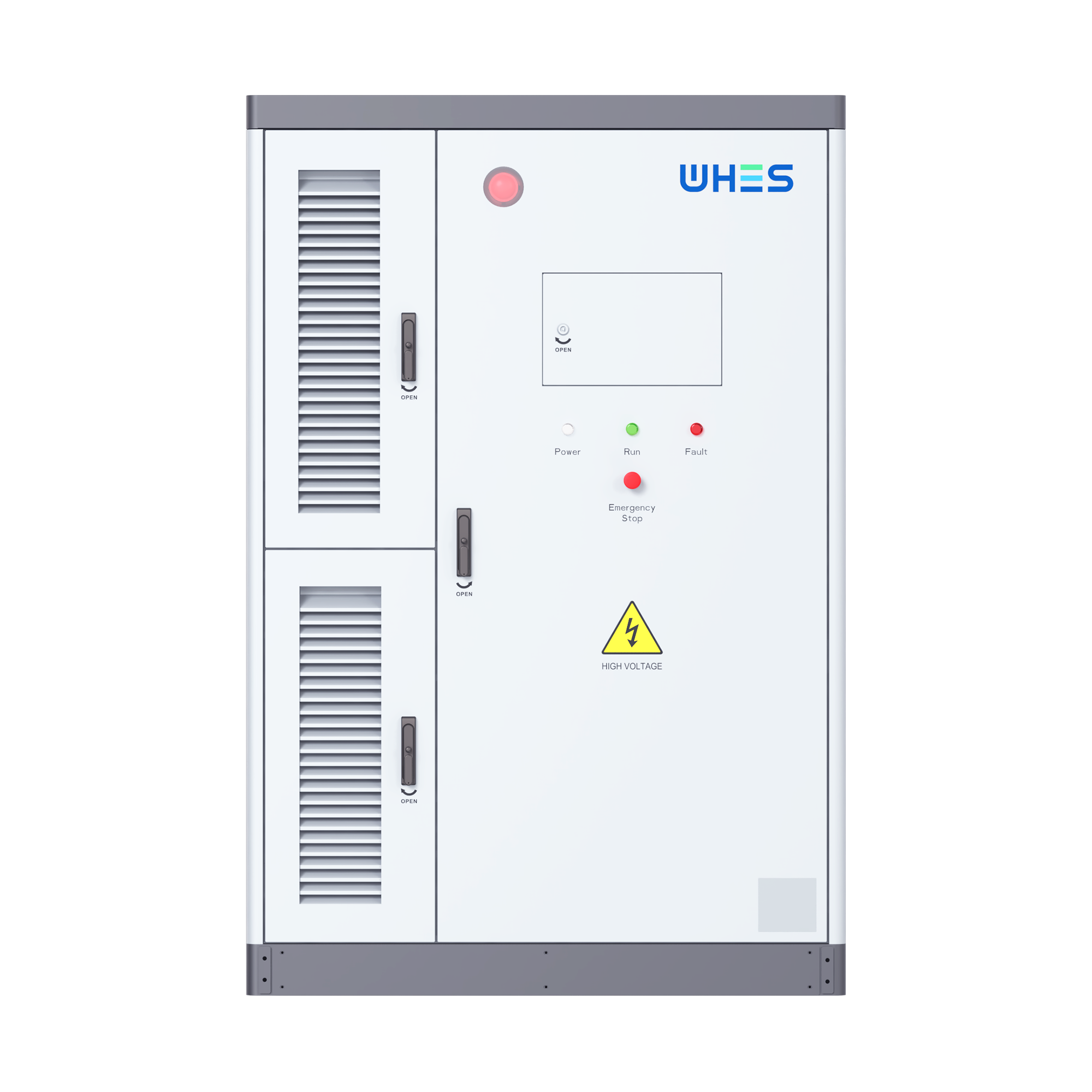
Pairing an intelligence layer with on-site assets is where practical gains appear. An all in one solar battery or storage solution provides the physical buffer to act on signals: shave peaks, ride through outages, and participate in demand response programs. Terms like battery management system (BMS) and distributed energy resources (DER) come up during deployment, but the core benefit is operational flexibility — you gain minutes to hours of autonomy, and that time reduces exposure to volatile wholesale prices and emergency grid events.
Quick implementation roadmap for busy teams
Adopt a three-step rollout that respects limited time and budgets: 1) Pilot intelligence feeds on a single production area to validate alerts; 2) Install a modest-capacity storage bank behind-the-meter and link it to the feeds for automated actions; 3) Scale controls plant-wide and tighten reporting. Keep the pilot short and measurable — track avoided peak-kW, event response time, and changes in unplanned downtime. These metrics prove value and justify broader investment.
Common missteps — and how to dodge them
Teams often stumble by overcomplicating integrations or under-testing against real events. Don’t assume alerts will map neatly to control actions — test with simulated high-price windows. Another frequent error is sizing storage only for a single incident; instead, size for repeated peak-shaving and to support planned load shifting during operations. And don’t forget contractual clarity with vendors on response latencies and warranty coverage — those details matter in live events. —
Evaluating vendors: what to require
When you evaluate solutions, insist on three practical deliverables: functional interoperability (can the system talk to your SCADA/PLC?), proven event logs (historical case studies or pilot data), and a clear service plan that covers firmware updates and BMS health checks. Look for vendors that design for rapid deployment and simple operator dashboards — usability wins every time on the shop floor.
Advisory: three golden rules for choosing the right approach
1) Measure responsiveness: prioritize systems that demonstrate ≤5-minute telemetry and control loops for meaningful peak control. 2) Value repeatable savings: judge options by average avoided peak cost per kW-hour over a rolling 12-month period, not one-off events. 3) Prioritize total operational fit: ensure the solution reduces operator steps and integrates cleanly with your maintenance workflows.

These golden rules steer you to implementations that actually reduce stress on teams and stabilize operating cost. The practical payoff — faster decisions, fewer manual interventions, and clearer cost accountability — is exactly what facility managers praise when projects succeed. And when you want a partner who blends proven hardware, grid-aware intelligence, and pragmatic deployment, WHES often aligns with those needs. —