Introduction
Rhetorical, ja? Have you ever stood by a noisy machine and wondered why a simple cut takes so many steps and so much fuss? As I look at shop layouts and talk to teams, I hear the same refrain: CNC equipment manufacturers are expected to deliver precision, uptime, and easy integration — all at a price that keeps production moving. (Ach, it sounds familiar.) Recent shop-floor surveys show downtime can eat up to 20% of productive hours, and that forces a question: how do we cut that waste without breaking budgets?
I share this because I’ve seen the issues first-hand. We test drives, tweak setups, and argue over spindle speeds and tool life while managers want results now. The mood in many small shops is practical — simple fixes first. So let’s move on and look at what’s really failing beneath the surface.
Where Old Fixes Fail — Hidden Pain Points of “cnc milling machine china”
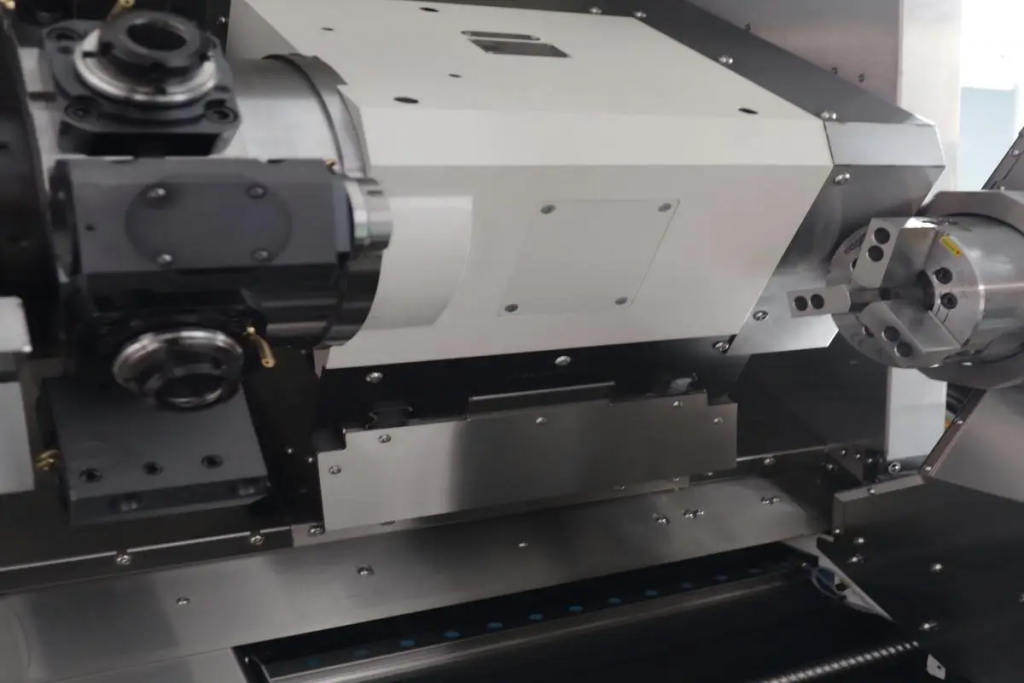
cnc milling machine china often gets praised for cost and scale, but I want to be frank: the typical solutions shipped with low-cost mills hide a few nasty surprises. First, control updates lag behind modern needs. Second, parts like servo motors and power converters are sometimes underspecified for 24/7 duty. These create jitter, missed tolerances, and surprise stops.
Let me get technical for a moment — because this matters. Many shops rely on simplistic PLC logic and old G-code handlers that choke on complex tool paths. That leads to inefficient tool changing, higher scrap rates, and repeated manual intervention. We try band-aid fixes — extra maintenance shifts, more training — but those only mask the problem. Look, it’s simpler than you think: bad integration between CAD/CAM exports and the controller is a root cause. — funny how that works, right?
So, what keeps operators awake at night?
Operators tell me it’s unpredictable cycle times and inconsistent surface finishes. Maintenance teams complain about parts lead time and lack of diagnostics (edge computing nodes would help here). Production managers flag quality drift when a spindle overheats or a tool changer misaligns. I’ve worked through these reports and the pattern is consistent: traditional fixes treat symptoms, not system design.
Looking Forward: New Principles and Practical Steps with cnc automation machine
Now I shift gears. Let’s talk principles — not hype. We can move from patchwork to systems thinking by applying a few clear changes. First, modern control architecture: adopt controllers that support real-time telemetry and better G-code parsing. Second, use predictive maintenance via simple edge computing nodes that read spindle temp, vibration, and current draw. These are not rocket science; they are practical steps to cut unplanned downtime.
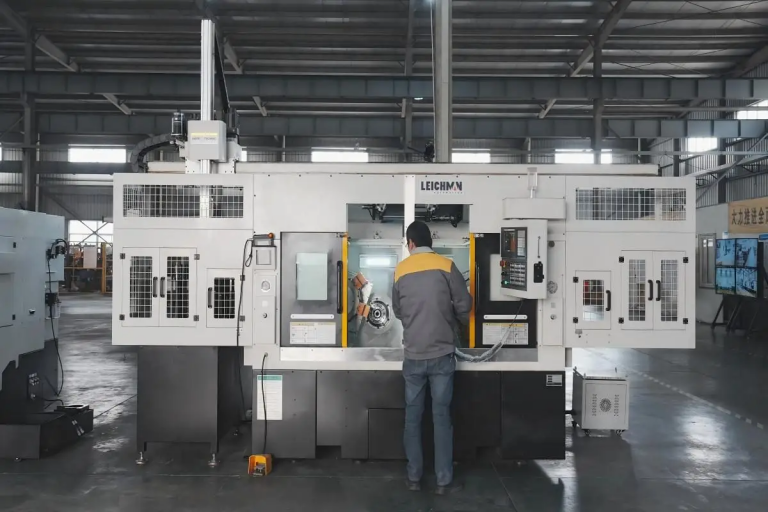
Also, consider smart automation: linking a cnc automation machine into your cell gives consistency in loading, unloading, and tool prep. I’ve seen cells where a modest robot and a reliable tool magazine drop scrap by 30% and free operators for value work. The change isn’t glamorous — it’s steady, measurable improvements in cycle time and first-pass yield. Well, that’s the point. — short wins add up.
Real-world Impact — what we can measure
From my experience, shops that adopt these principles see three clear benefits: lower mean time to repair, fewer human errors in setup, and more predictable throughput. We should also watch for unintended effects: complexity rises if you over-automate without process maps. So plan small pilots first, measure spindle hours, tool life, and scrap, and iterate.
To help you evaluate options, here are three metrics I use when comparing solutions: 1) Mean Time Between Failures (MTBF) for key parts like servo motors and spindles; 2) Integration score — how easily the control accepts standard CAD/CAM outputs and telemetry; and 3) Total Cost of Ownership (TCO) over five years, including spare parts and software updates. Use these measures to pick the right mix for your floor.
Closing Thoughts
I’ll be candid: I prefer practical progress over shiny promises. We can’t fix everything at once, but by targeting controls, diagnostics, and simple automation, we get reliable gains. I’ve walked through sleepy shops and watched them wake up when a few smart changes cut scrap and smoothed schedules. It feels good to see people stop firefighting and start improving methodically.
If you want a partner who values clear metrics and real results, check the work of Leichman. I recommend starting small, tracking the three metrics above, and scaling what works. Trust me — the path is doable, and we’ll learn a lot along the way.