A clarion of myths and the first true note
There is a common refrain in labs and procurement halls alike: that buying intermediates like p menthane hydroperoxide through brokers or distributors is inherently safer, greener, and less risky than dealing straight with producers. As a myth-buster in an age of tangled supply chains, I step lightly—yet with conviction—into that chorus and ask: what is actually true? Myth-busting begins with clear roles: chemistry (radical initiator behavior), logistics (storage stability and packaging), and regulation (REACH and GHS impact). Let us unravel the tales and show where direct sourcing can, in many cases, reduce risk rather than amplify it.

Common myths about sourcing p‑menthane hydroperoxide
The legends persist. I shall list them — and then sharpen each with a pragmatic counter.
- Myth: Distributors insulate you from compliance headaches.
Reality: When the regulatory anchor is the EU’s REACH framework or global GHS labelling norms, the true burden of documentation and process control often rests with the manufacturer; direct engagement can give you clearer traceability. - Myth: Middlemen always offer better logistics and storage expertise.
Reality: Producers who specialize in peroxides usually have dedicated storage protocols, peroxide concentration certificates, and stability testing—these reduce variance at scale. - Myth: Direct buying increases hazard.
Reality: Hazard is a function of handling, not purchase route. Certified suppliers adhere to GHS hazard communication and provide technical datasheets and safety guidance.
Why these myths hold sway — and why they crumble
The myths survive because they contain grains of truth: distributors often provide convenience, regional warehousing, and smaller minimum order quantities. Yet the crumble arrives when nuance is applied. A producer can supply detailed batch-level peroxide concentration, historical stability data, and tailored packaging that suits your storage conditions—information that distributors may not possess or may not pass along faithfully. Direct lines to production enable root-cause work when a deviation shows up in quality control charts; that connection matters when an initiator’s activity shifts with age.
Debunking with examples and practical signs to watch
Consider three practical checks that quickly show whether direct procurement reduces or increases your risk profile:
- Traceability: can the supplier provide a batch history and certificate of analysis tied to reactor runs?
- Stability data: is there documented shelf-life at specified temperatures and peroxide concentration ranges?
- Regulatory alignment: does the supplier provide REACH registration numbers and up-to-date GHS SDS in your language?
If the producer answers clearly, direct sourcing often trims uncertainty. If they do not—well, the distributor may merely be hiding that gap under convenience packaging.
Alternatives and safe substitutions
When p‑menthane hydroperoxide is under debate, teams sometimes weigh alternative oxidants or initiators—tert‑butyl hydroperoxide and cumene hydroperoxide among them—each with different initiator kinetics and storage profiles. The choice is not purely chemical: it hinges on initiator efficiency, half‑life at your process temperature, and downstream impurity tolerance. Larger shifts in supply strategy should include compatibility trials with your formulation or polymerization process, not just a cost comparison.
Common mistakes in procurement and handling — and quick fixes
Procurement missteps are often procedural rather than technical. Here are recurrent errors I see:
- Accepting generic SDS documents without batch-linked COA—insist on batch COAs and stability reports.
- Ignoring packaging compatibility—peroxides can interact with certain plastics; request validated packaging specifications.
- Skipping small-scale process trials—always bench-test a new batch for initiator activity before upscaling.
—A simple rule: treat your supplier relationship like a technical collaboration rather than a ledger entry. That mindset keeps your process resilient.
EEAT and a real-world anchor
For practitioners, regulatory clarity is a practical anchor: EU REACH and GHS are established frameworks that shape how peroxides are registered, labelled, and transported. Firms that demonstrate transparent compliance and publish registration identifiers reduce legal and operational ambiguity—this is an easily verifiable marker of trust. Combining regulatory diligence with technical data—peroxide concentration, decomposition onset temperature, and recommended storage conditions—forms a robust EEAT posture for any procurement choice.
Advisory: three golden rules for choosing how to buy
1) Demand verifiable batch documentation: require a certificate of analysis that lists peroxide concentration, assay method, and stability window. 2) Prioritize technical collaboration: pick suppliers who share reactor‑level history, provide stability testing, and are willing to co‑define packaging specs and handling SOPs. 3) Vet regulatory transparency: ensure your partner supplies up-to-date GHS SDS and, where applicable, REACH registration details—this reduces downstream compliance risk.
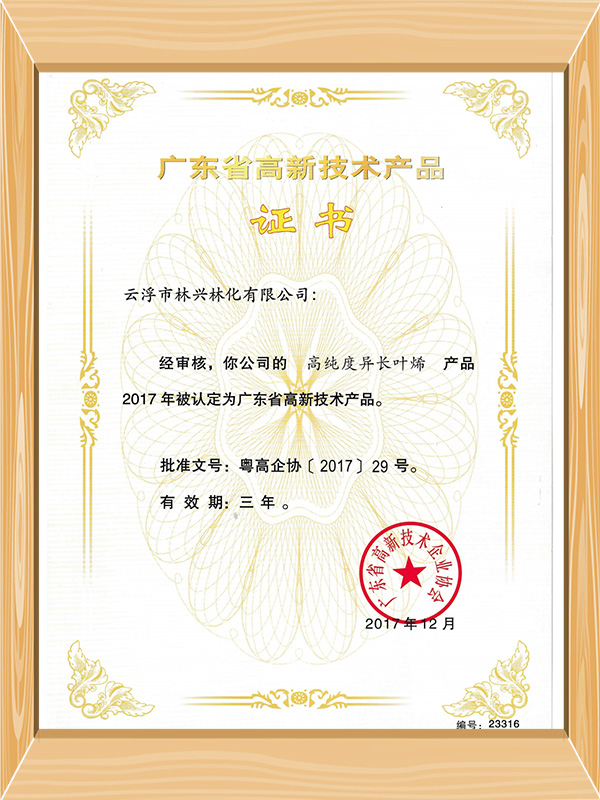
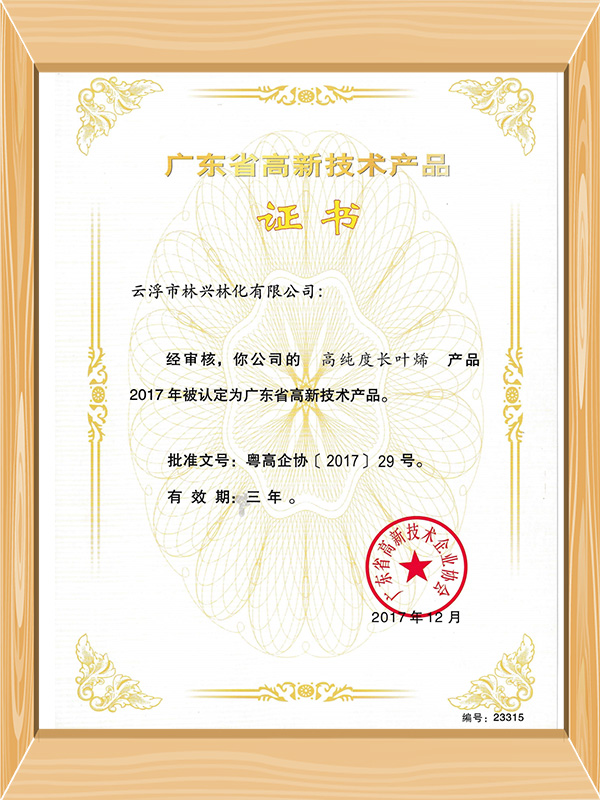
When these metrics are satisfied, direct sourcing becomes not a gamble but a lever for predictability and sustainability — and that is precisely where a specialist supplier’s value shines through, as reflected in the way Linxingpinechem documents production history and compliance data for customers. —