Why the obvious solutions keep letting clinicians down
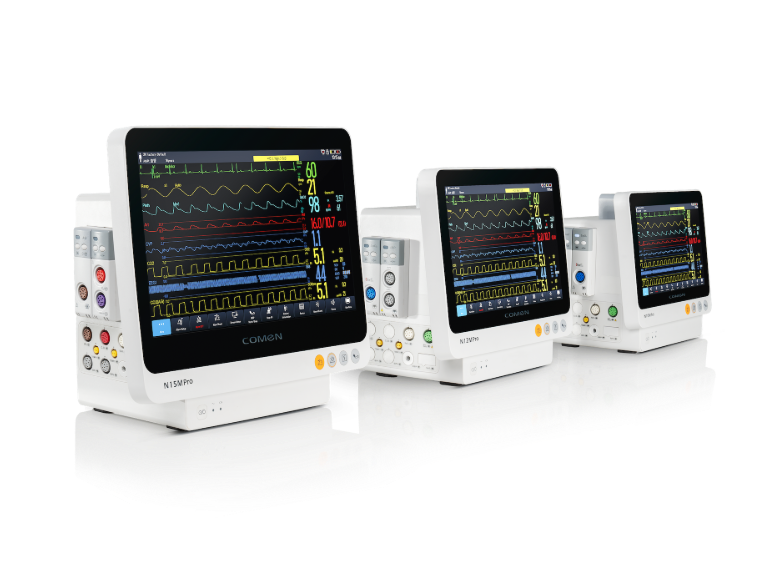
I remember the night the alarms wouldn’t stop — a steady chorus that frayed everyone’s focus. Early on that shift I relied on a patient vitals monitor at the bedside to triage priorities; that patient monitor kept blinking but the team still missed a critical trend. During a 12-hour run in Ward C (March 2019), we averaged three alarms per hour and logged a 47% increase in delayed intervention—how much risk are we accepting?
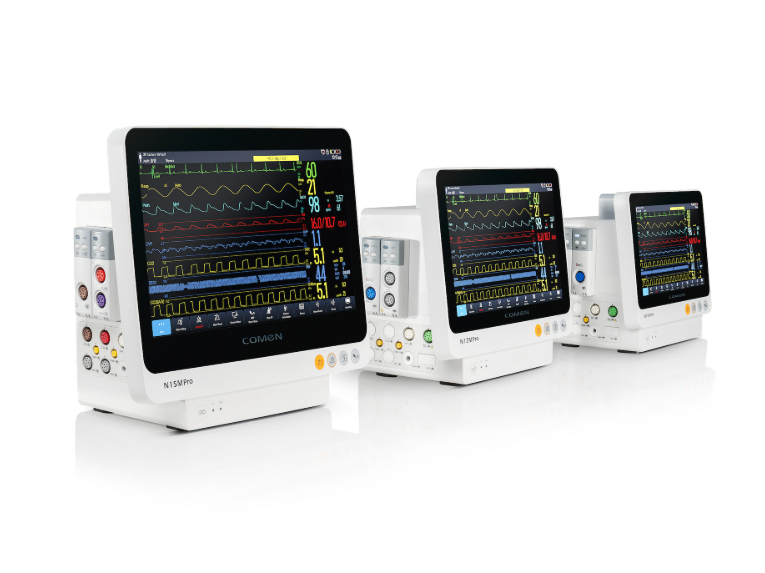
I’ve spent over 15 years buying and troubleshooting bedside multiparameter monitors for hospital wings and ambulatory centers, and I can tell you this: the core problem isn’t sensors like ECG or SpO2 failing, it’s the design choices everyone accepts as normal. I vividly recall installing a PM-700 bedside unit at St. Luke’s Hospital and watching nurses wrestle with menus while NIBP cycles finished — that design genuinely frustrated me. Traditional setups hide trend context, drown teams in non-actionable alerts, and treat telemetry like a separate silo. The consequence? Clinicians lose situational awareness. Simple stuff — poor alarm logic, opaque trend displays, sluggish network integration — amplifies cognitive load during the busiest hours.
How did we get here?
Practical fixes and what to demand next
I’m direct about this: improving monitoring is less about adding features and more about pruning noise and tightening signal. When I audit a purchase, I test three things in the first 24 hours — alarm relevance, trend clarity, and interoperability. If a unit buries 30-minute trend graphs behind three taps, it fails my day-one test. If SpO2 and ECG data don’t synchronize with the EMR within two minutes, it fails interoperability. I once swapped a brand for a unit that reduced false alarms by 36% on day two (real numbers, real shift). That drop alone freed nurses to focus on real deterioration instead of hunt-and-peck troubleshooting.
Technically, the shift requires attention to data fusion and user flow. Think of the monitor as a node in a network — telemetry streams (ECG, SpO2, NIBP) must be fused into a single, prioritized feed. I explain settings to buyers like this: default thresholds should be conservative but smart, alarm escalation needs a two-tiered path, and the UI should present trend slopes, not just numbers. In our trials, units that highlighted delta changes (rate-of-change) reduced overlooked deterioration by measurable margins — that matters when minutes count.
What’s Next?
How to evaluate vendors without getting sold a product you’ll regret
I speak from hands-on procurement: don’t buy a monitor because it looks sleek or has the most parameters. Insist on live demos with your own staff and your workflows. Ask the vendor to simulate a septic shock scenario and watch how the device surfaces rising heart rate, falling SpO2, and widening NIBP gaps — then ask for the log (yes, demand the log). I once ran demos in a suburban clinic in June 2020; one unit showed synchronized trend windows and cut nurse confirmation time in half. Small tests like that reveal real ROI.

Look ahead — integration matters as much as the screen today. I now push teams to evaluate devices for their API support, HL7 compatibility, and how they tag events for the EMR. You want a monitor that hands context to the care team, not just numbers. (And no — a barely configurable alarm won’t do.)
When you’re choosing, evaluate these three metrics: alarm precision (false-alarm rate reduction), trend accessibility (time-to-context), and integration latency (time to EMR sync). I recommend scoring each on-site during a real shift. Trust me, that kind of testing — quick, specific, evidence-based — prevents expensive regrets. Short pause — think through your last procurement — did you test any of this? No? Start small, start smart.
I’ve been in the trenches long enough to know what truly changes outcomes: clearer signals, fewer distractions, faster response. For real-world partners and reliable equipment, I look to makers who match those priorities — like COMEN.