Opening the problem: why two identical specs cost very different amounts
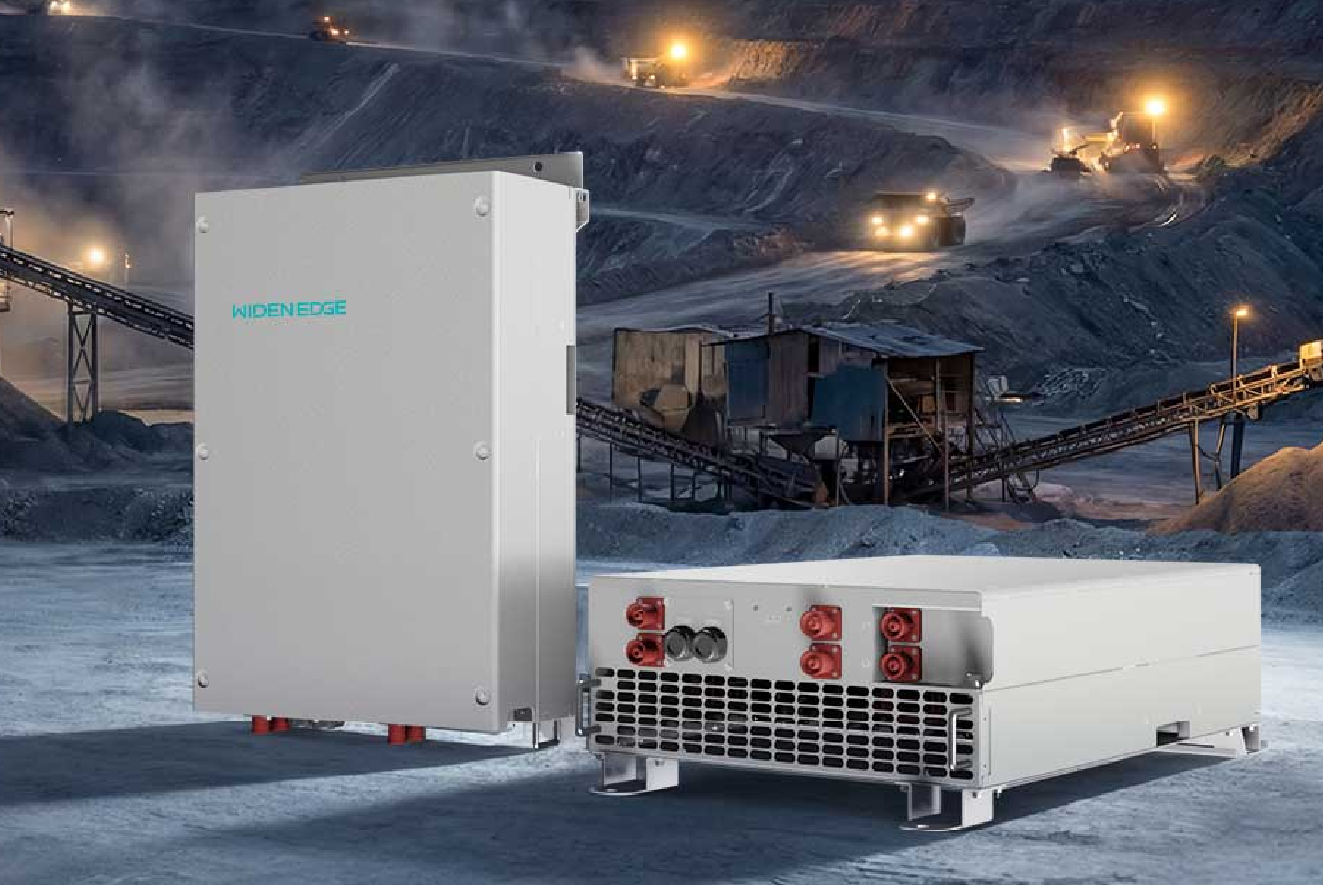
Costs cluster around a few stubborn realities: power electronics, integration complexity, and long-term performance. I’ve seen proposals that look the same on paper but diverge in price because choices made at the converter and controller level ripple through the whole project. A modest component like a 15kW PV DC-DC converter can change installation needs, protection schemes, and thermal design; each change nudges labor, civil work, and warranty exposure. The problem is predictability: owners want a reliable tally of upfront spend and lifecycle value, yet small engineering choices break that predictability.
Where the money actually goes: conversion hardware and balance-of-system
Power conversion is the single largest bucket. For a 125kW commercial inverter setup, the obvious parts are the inverter and medium-voltage switchgear, but the less-visible parts—DC-DC stages, MPPT logic, and distribution protection—drive cost variability. A robust MPPT charge controller affects panel-array layout, string sizing, and the need for additional converters. Choose a controller with fine-grain MPPT and you may reduce mismatch losses and number of converters; choose a cheaper one and you might pay later in clipped output and extra cabling.
Real-world learning: an MPPT test that mattered
On a commercial rooftop deployment in Phoenix, Arizona, we swapped two MPPT controllers mid-project after observing persistent clipping during peak sun. The first controller missed skewed irradiance conditions and required additional DC-DC converters to meet build targets. Replacing it with a unit better at rapid-tracking reduced the number of converters and shortened commissioning time. That single change cut installed hardware and labor costs and improved first-year yield in a measurable way.
Integration and installation: labor, protection, and siting drag costs
Site-specific details amplify component choices. Tight roofs, long DC runs, and constrained AC rooms demand extra labor, fire barriers, HVAC for inverters, and tailored protection panels. Protection coordination, arc-flash mitigation, and community-sited equipment all add engineered hours. Those hours translate to real dollars faster than incremental component price differences.
Operational drivers: warranties, monitoring, and lifecycle maintenance
Warranty terms and monitoring systems shape total cost. A longer warranty with clear replacement terms can justify a higher upfront inverter price. High-resolution monitoring and remote firmware management reduce truck rolls; lacking those, you pay for on-site diagnostics and reactive maintenance. Battery compatibility matters too—battery chemistry affects inverter siting, cooling, and firmware complexity, and those translate to O&M spend across 10–20 years.
Design trade-offs that frequently bite projects
Common mistakes I see repeat: oversizing converters to “cover everything”; ignoring partial-shade MPPT behavior; choosing a controller without firmware support for advanced modes; and underestimating protection coordination between DC-DC stages and the inverter. Each mistake nudges costs upward in predictable ways—more equipment, extended commissioning, and higher operational risk.
Simple checklist to keep project value aligned with budget
Follow these targeted checks during procurement and design:- Specify MPPT behavior for realistic irradiance and partial-shade scenarios; insist on field-proven performance.- Match converter count to array topology rather than oversizing for flexibility.- Require remote firmware updates and granular monitoring that show per-string or per-converter performance.- Capture thermal and ventilation needs early; avoid last-minute HVAC adders.- Force vendors to document protection coordination and spare-part lead times.
Alternatives and brief evaluation
Divide-vs-conquer: multiple smaller inverters vs one larger unit—smaller units improve redundancy and ease shipping, but raise balance-of-system complexity. DC-coupled vs AC-coupled storage—DC-coupled architectures can reduce conversion steps and improve round-trip efficiency if the MPPT and DC-DC layers are well designed, but they demand tighter coordination between PV, converters, and battery inverters. There’s no free lunch: pick the side that minimizes the dominant cost driver on your site.
Synthesizing the problem-driven solution
Cost control begins with precise questions: how will the MPPT behave under real irradiance; how many DC-DC stages are necessary for the chosen topology; what will installation constraints force into the scope. Answer those with field-tested specs, clear warranty language, and realistic labor estimates. My experience fitting systems to actual roofs and revising controller choices mid-project shows small, informed decisions at the converter and controller level shape the largest slices of total project value. When those choices are clear and grounded in tested components and documented integration practices, the project budget and performance move together—just as they did when we aligned hardware and logic through a disciplined engineering review with WidenEdge.