Introduction
It’s 9:02 on a Monday: cameras connect, the room speaks, and the remote side stays quiet—again. Hybrid meeting room solutions promise parity between people who are co-located and those who are not. Over half of meetings now mix in-room and remote voices, and the gap shows where systems fall short (often at the worst time). So, if the tools are smarter than ever, why does the experience still feel uneven when work gets real?
Here’s the proposition: when the room, network, and cloud all act in concert, the friction fades; when they don’t, it compounds. Are we designing rooms for tidy demos, or for messy, human dialogue? Let’s move from symptoms to structure, and see what actually closes that distance.
The Deeper Fault Line: Why Setups Fail When People Mix
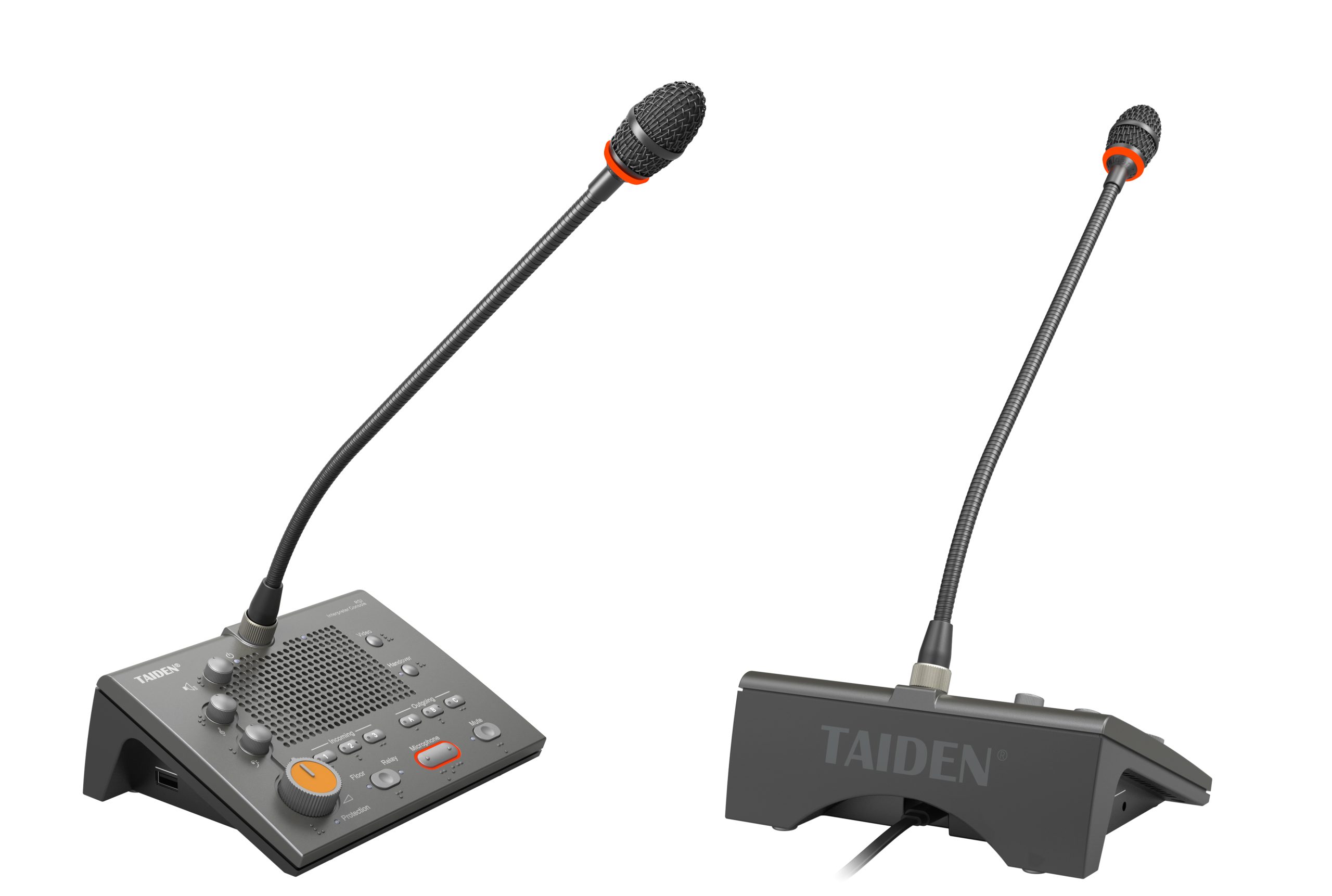
At the heart of modern rooms sits hybrid discussion technology, yet many teams still feel unheard. The issue is not only hardware, but context. Rooms juggle open talk, cross-talk, and quiet interjections; remote attendees hear compression first, people second. Traditional bundles optimise for “speech present or not,” while hybrid work needs focus on “who, where, and how loud—right now.” Look, it’s simpler than you think: if the chain from mic to ear cannot track intent, it turns nuance into noise.
Consider the hidden pain points. Beamforming microphones lose track when two voices overlap, and automatic gain control fights soft speakers after a laugh—funny how that works, right? Acoustic echo cancellation (AEC) behaves until glass walls join the party. A DSP matrix tuned for one seating plan stumbles when the room reconfigures for a workshop. BYOD laptops inject untested UVC drivers into the flow; latency drifts; the codec adapts, then overreacts. None of these are obvious during a 10-minute test, but together they erode confidence. And when confidence drops, people revert to one speaker at a time—meeting tempo stalls.

What’s the snag?
Legacy kits assume stable seating, steady loudness, and a single dominant speaker. Hybrid discussion, however, swings between side comments and fast handovers. The system must reframe streams on the fly, prioritise the right channel, and apply gentle, not blunt, correction. Without that, even good gear behaves like it’s listening through a door.
Ahead of the Curve: Principles, Proof, and Practical Picks
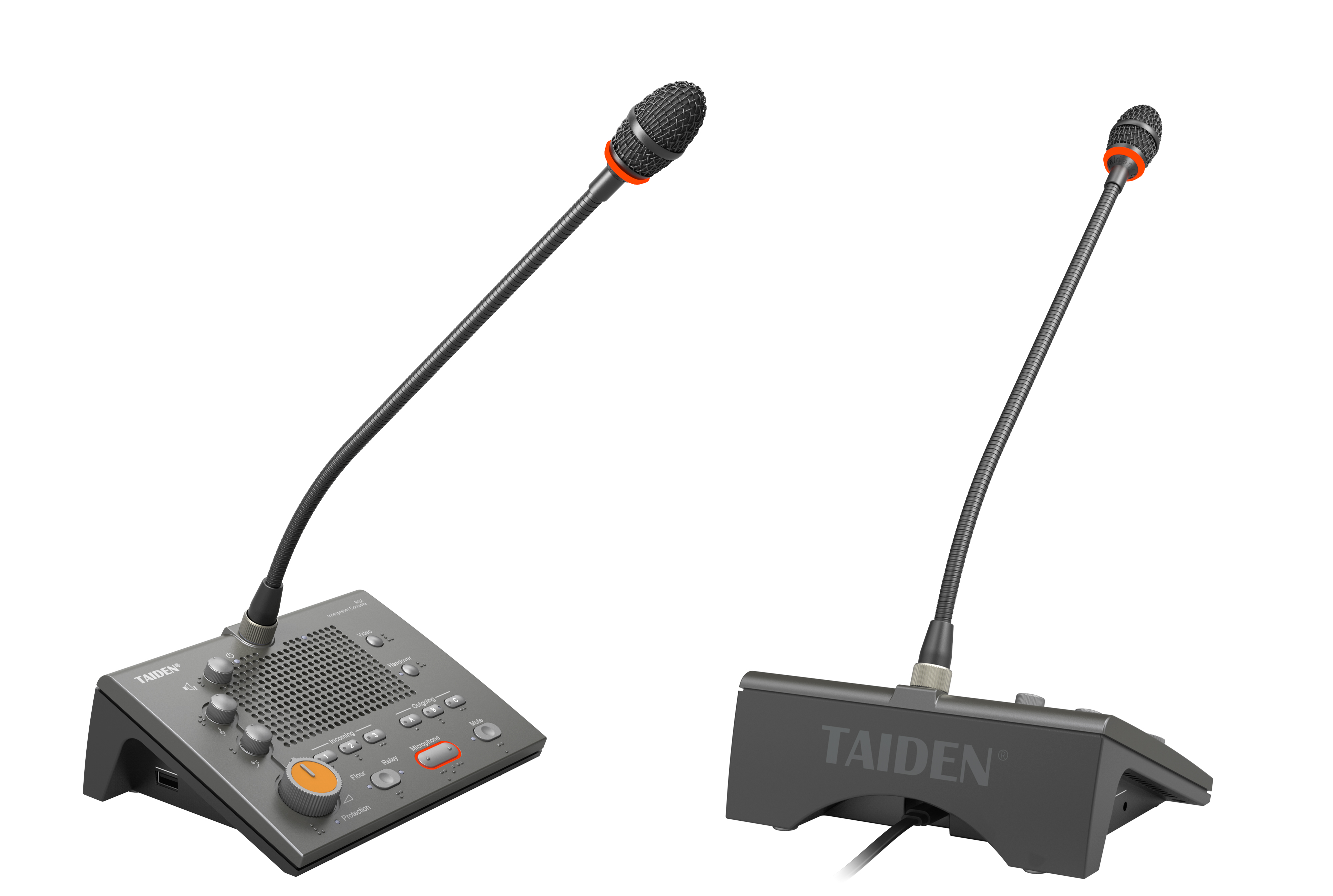
The fix is comparative by design. New rooms anchor on principles that treat audio and video as live signals with roles, not just levels. Edge computing nodes near the table pre-classify sources before traffic hits the switch; QoS keeps talk paths predictable under load; adaptive AEC and noise gates learn the room, not just the mic. Camera control shifts from presets to intent: PTZ cameras track speakers with low-latency triggers tied to talk states, rather than blunt voice activation. A room that can choose well—per second, per stream—wins. And the command layer matters: a modern conference controller orchestrates these behaviours, surfacing status, fallbacks, and safe changes when people move chairs or plug in a second laptop (because they will).
We can compare outcomes. Old chains chase stability; new chains chase clarity. The first relies on fixed profiles and assumes the room behaves; the second assumes change and corrects it. PoE switches reduce power converters under the table; fewer points of failure, cleaner cabling. SIP trunks and a cloud gateway provide dial-out resilience when the UC client crashes. The codec adapts, yes, but only after edge classifiers pick the right signal to preserve—human intent, not HVAC rumble. When these pieces talk, the room stops feeling fragile—and yes, it still matters.
What’s Next
Pulling threads together, we’ve seen why nuance gets lost (over-simplified processing), how rooms drift under real use (reconfiguration and BYOD), and what shifts the balance (signal-aware control at the edge). Looking ahead, the pattern is stable: smarter local decisions, lighter central rules. Expect dynamic mic zoning that follows clusters of discussion, not seats. Expect camera cues that tie to speech segments, not noise spikes. Expect health checks that validate wiring and firmware before the meeting starts, not mid-call. The practical marker: a conference controller that treats devices as services—discoverable, monitored, and replaceable—rather than as mysterious boxes.
Choosing well comes down to three metrics you can test. First, handover integrity: measure how quickly and cleanly the system shifts between overlapping speakers without pumping or dropouts. Second, intent preservation: verify that soft voices remain intelligible while laughter or chair scrape doesn’t trigger suppression. Third, resilience under change: move seats, add a BYOD laptop, alter room gain, then check whether auto-calibration, profiles, and logging restore steady state. If a solution scores on those, the rest tends to follow. For a grounded view of how these ideas turn into dependable rooms and real-world deployments, explore TAIDEN.